Our Cattle
Black Angus raised on Alabama grass, the way it's been done here for 77 years.
The Red Clay Herd
We run about 120 head of registered Black Angus at any given time. Angus has been the breed of choice for the Dawson family going back to my grandfather—he always said they were hardy, easy keepers, and produced the best marbling he'd ever seen on a steak. Seventy years later, I'm not about to argue with him.
Every animal in our herd can be traced back through our records. We know their lineage, their temperament, their history. That's not just good business—it's the only way we know how to do this.
Rotational Grazing
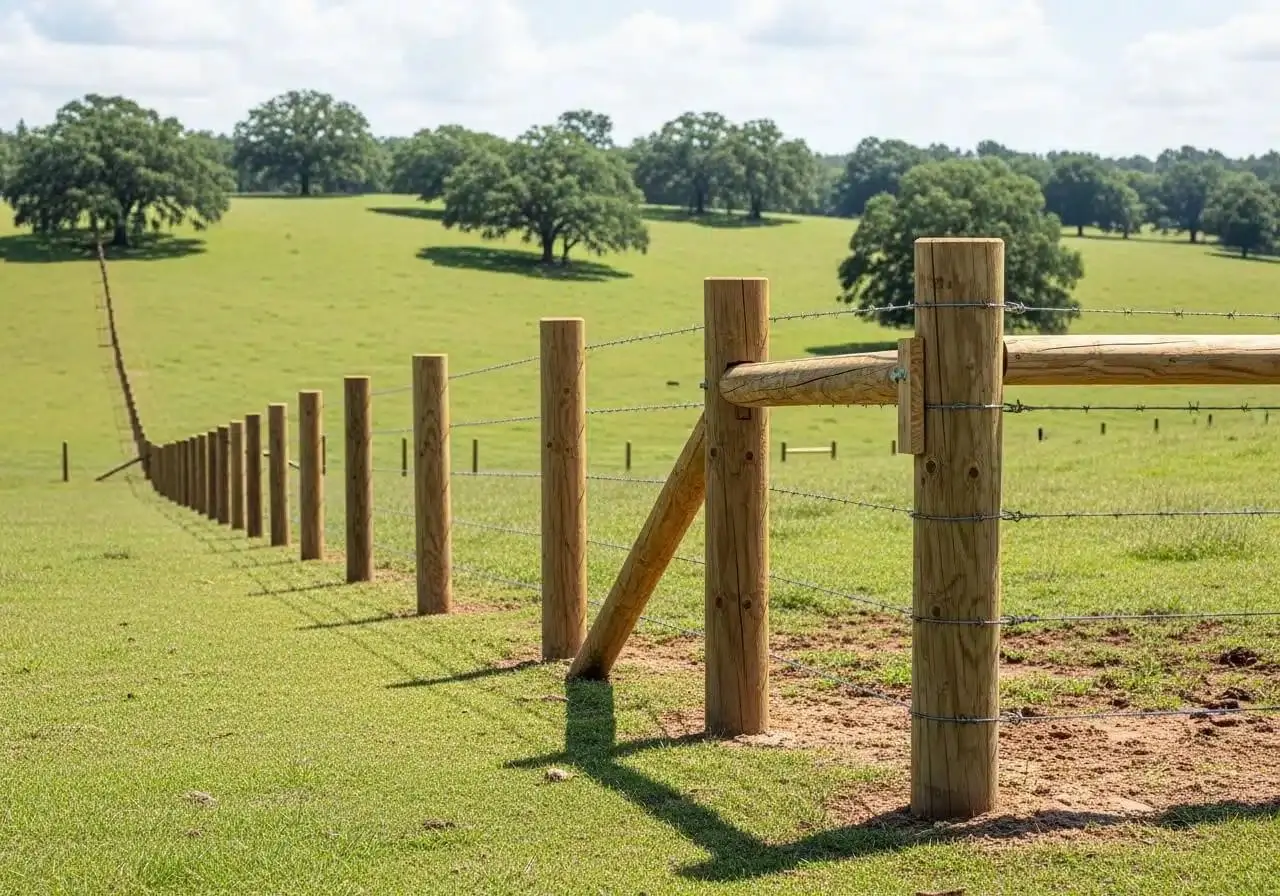
Our 280 acres are divided into twelve paddocks, and we rotate the herd every few days depending on the season and grass growth. This isn't some new fad—it's how my great-grandfather did it, even if he didn't have a fancy name for it.
Rotational grazing lets the pastures rest and regrow. The cattle always have fresh forage, and the land gets time to recover. After 77 years of this approach, our soil is healthier than most farms half our age. The cows are happier, the grass is thicker, and the beef is better. Simple as that.
How We Raise Them
Our calves are born right here on the farm, usually starting in late February when the weather's turning. The mommas do most of the work—we just make sure everyone's healthy and has what they need.
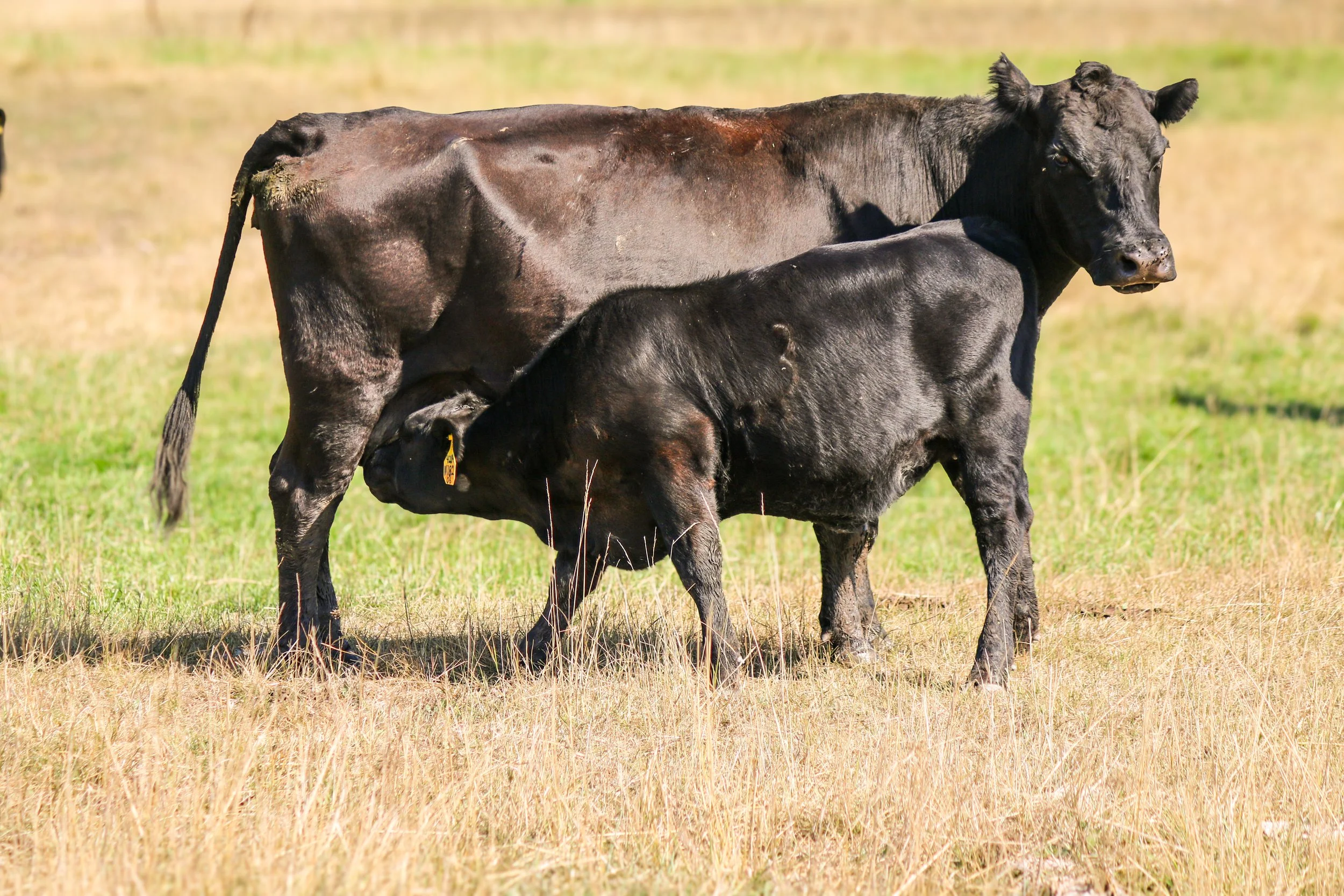
Calves stay with their mothers on pasture for about seven months, nursing and learning to graze. After weaning, they join the rest of the herd and continue on grass until they reach market weight, usually around 18-24 months.
We work our cattle low and slow. No yelling, no rushing. A calm animal is a healthy animal, and healthy animals make quality beef. My daughter Emma has a way with the herd that I swear is almost supernatural—they'll follow her anywhere.
What They Eat
Grass. That's the short answer.
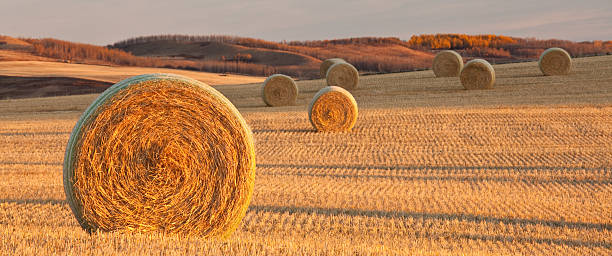
The longer answer is that our pastures are a mix of fescue, bermuda, clover, and native grasses that have adapted to this land over decades. In winter when growth slows down, we supplement with hay we put up ourselves from our own fields—same grass, just dried.
We don't do grain finishing. Some folks swear by it for marbling, but our Angus genetics and the quality of our forage produce plenty of marbling on their own. Besides, cattle weren't designed to eat corn, and we're not about to start arguing with a few million years of evolution.